
A couple of leftover chairs, a table that never quite works, and suddenly the space feels like an afterthought. A patio should feel like an extension of your home, not a storage corner for whatever did not make it inside. Good furniture fixes that, but so does the right lighting, which decides whether the space feels usable in the evening or shuts down early.
The right patio furniture turns your patio into a place people actually want to sit, stay, and come back to. It holds up through changing weather, feels comfortable, and fits the way you actually live. Layered lighting, from overhead fixtures to softer accent lights, brings the space to life after sunset.
The good news is you do not need a complicated setup to achieve all that. You just need better pieces, thoughtful lighting, and a bit of intention in how everything comes together. Here’s how to choose patio furniture that delivers comfort, durability, and style without the clutter.
Start With How You Want to Use the Space
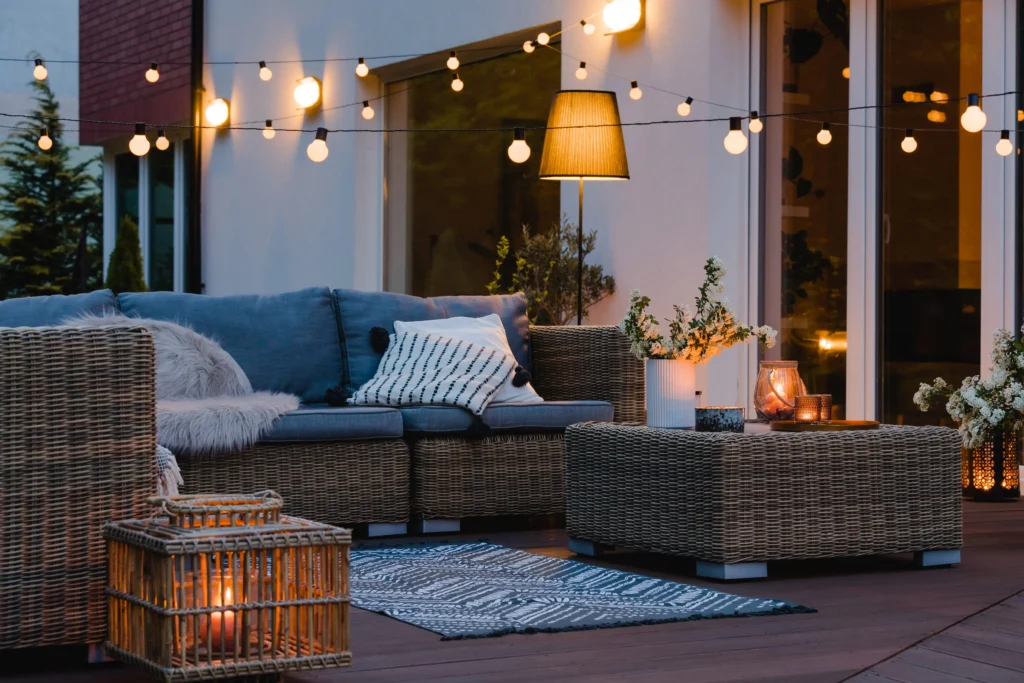
The way you use the patio should guide every furniture choice.
A space meant for outdoor dining naturally calls for a proper table and chairs that make meals feel easy and unhurried. If the patio is where you relax with family, comfort takes priority, think deep seating, soft cushions, and a layout that encourages everyone to settle in together without feeling spread out.
For hosting guests, a conversation setup with a sofa and chairs works better than a single focal table, since people tend to move and stay longer. Quiet moments like morning coffee or reading usually need less, just a supportive chair and a small table placed within easy reach.
Grilling or outdoor cooking areas benefit from open space, so movement around the grill stays effortless. Mixed-use patios work best when dining and lounging each have their own defined zone, rather than competing for the same square footage.
Think about what actually happens out there, then let the furniture follow that rhythm.
Choose Patio Furniture That Fits the Space
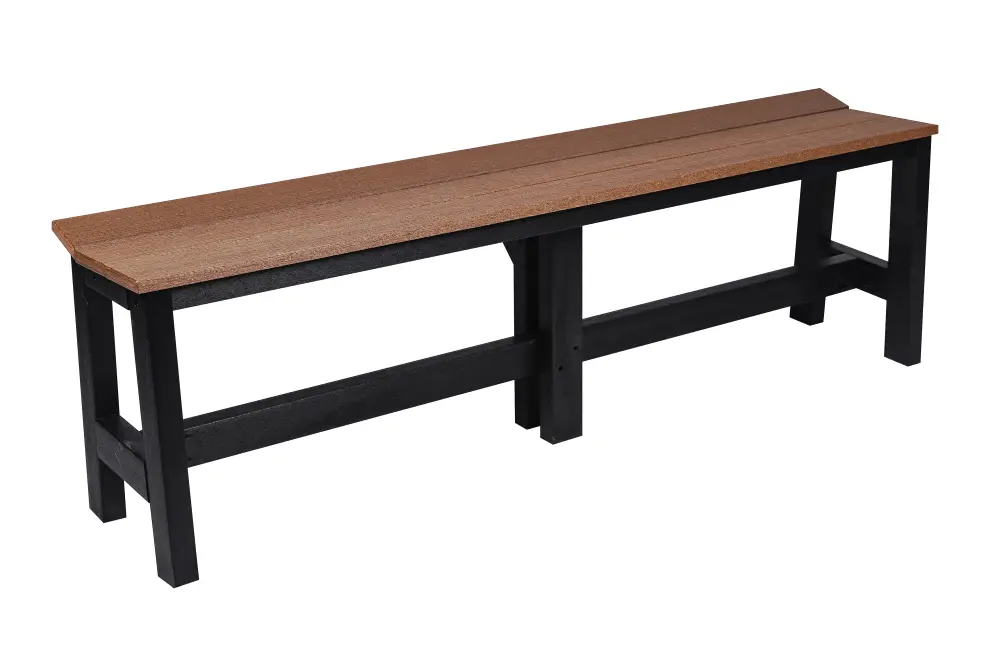
Start with measurements, not guesses. It is the easiest way to avoid ending up with pieces that feel squeezed into the space or awkward once they arrive.
Leave enough room for walking paths and for chairs to pull out without hitting walls or railings. On smaller patios, compact dining sets and lighter seating keep the space open and easy to move through.
Large sectionals in narrow areas tend to dominate the layout and reduce flexibility. On larger patios, it helps to think in terms of zones. A dining area on one side and a lounge area on the other create structure without crowding. Keep doors, stairs, and grill areas open so nothing feels blocked or in the way.
Pick Durable Materials for Outdoor Use
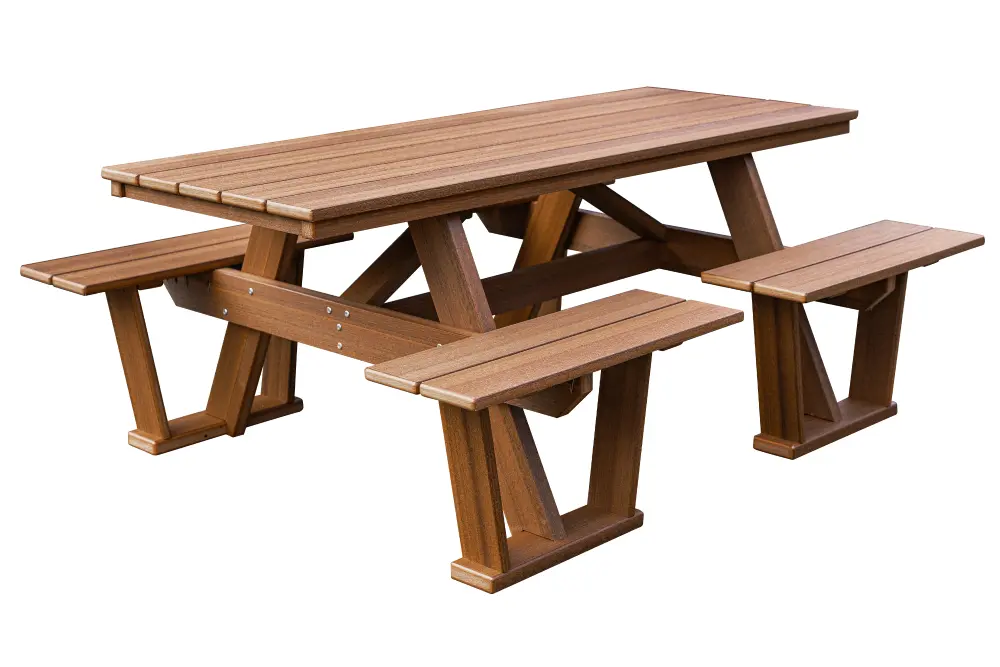
Air carries moisture, dust settles over time, and temperatures shift enough through the day to test how materials behave. That is usually where differences start to show.
Poly furniture is designed to stay stable in these conditions. It does not absorb moisture, so it does not swell or distort with humidity, and it keeps its color without slowly fading into something dull or uneven. Teak and other outdoor-rated woods take a more expressive route, developing a patina that softens their surfaces while keeping their structures solid underneath.
Aluminum and powder-coated metal work best when you want a clean structure without maintenance drama. They resist rust and are easy to move when layouts change. Outdoor wicker fits comfortably under cover, especially in spaces where rain is occasional rather than constant.
Cushions are where comfort either stays inviting or gives up. Weather-resistant fabrics dry quickly, resist fading, and keep their shape, so seating feels more intentional.
Make Comfort a Priority
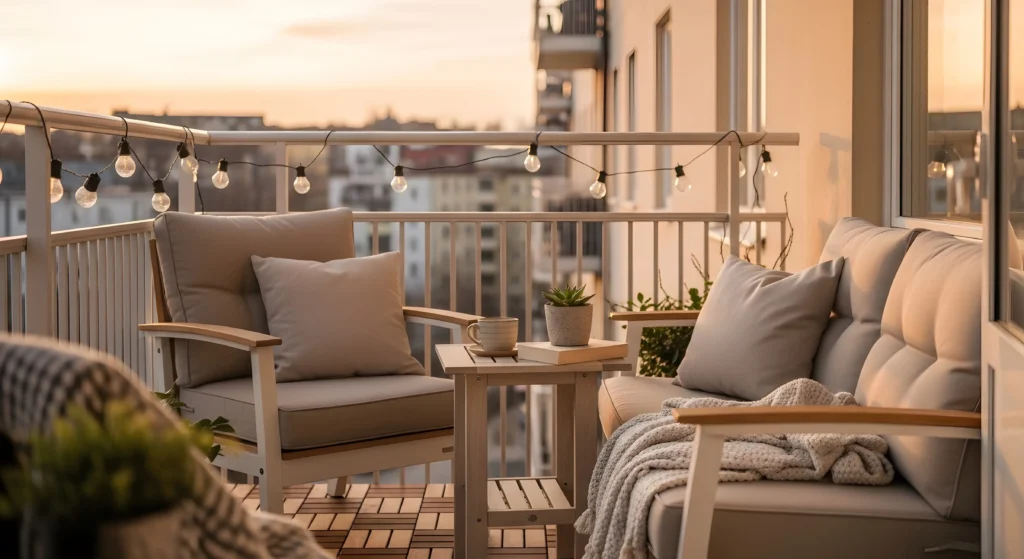
Comfort is the detail that decides whether a patio gets used or simply gets looked at. Deep seating with well-proportioned outdoor cushions creates the feeling of a proper room, not a space borrowed from outside.
Chairs should support the body in a way that feels natural the moment you sit down, without needing adjustment. Rockers, gliders, and lounge chairs introduce a slower rhythm to the space, the kind that makes time feel less structured.
Outdoor cushions should do more than soften a seat. They should hold their shape, stay inviting, and keep the seating visually composed. Side tables within easy reach remove small interruptions, while footrests and ottomans extend how long people stay without realizing it.
Create a Balanced Furniture Layout
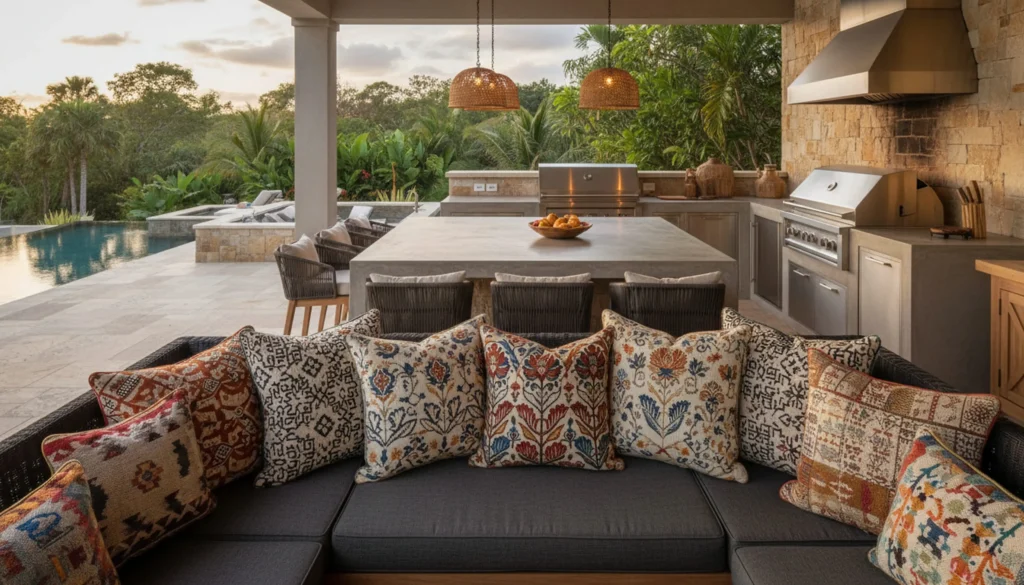
Layout determines how a patio feels in use. Even well-chosen pieces lose impact when they are not placed with intention. A conversation area works best when chairs are arranged around a coffee table at a distance that feels natural for speaking without effort.
A dining table is most effective when centered under the roofline, where the coverage feels intentional, and the space above it feels visually grounded.
In larger patios, separating dining and lounging zones creates clarity. Each area reads differently and supports a different kind of use, instead of competing for space.
A loveseat or sectional can be oriented toward the yard to open up the view and soften the structure’s edge. Accent chairs add flexibility, allowing seating to shift as the number of guests changes without disrupting the overall layout.
Add Storage and Practical Pieces
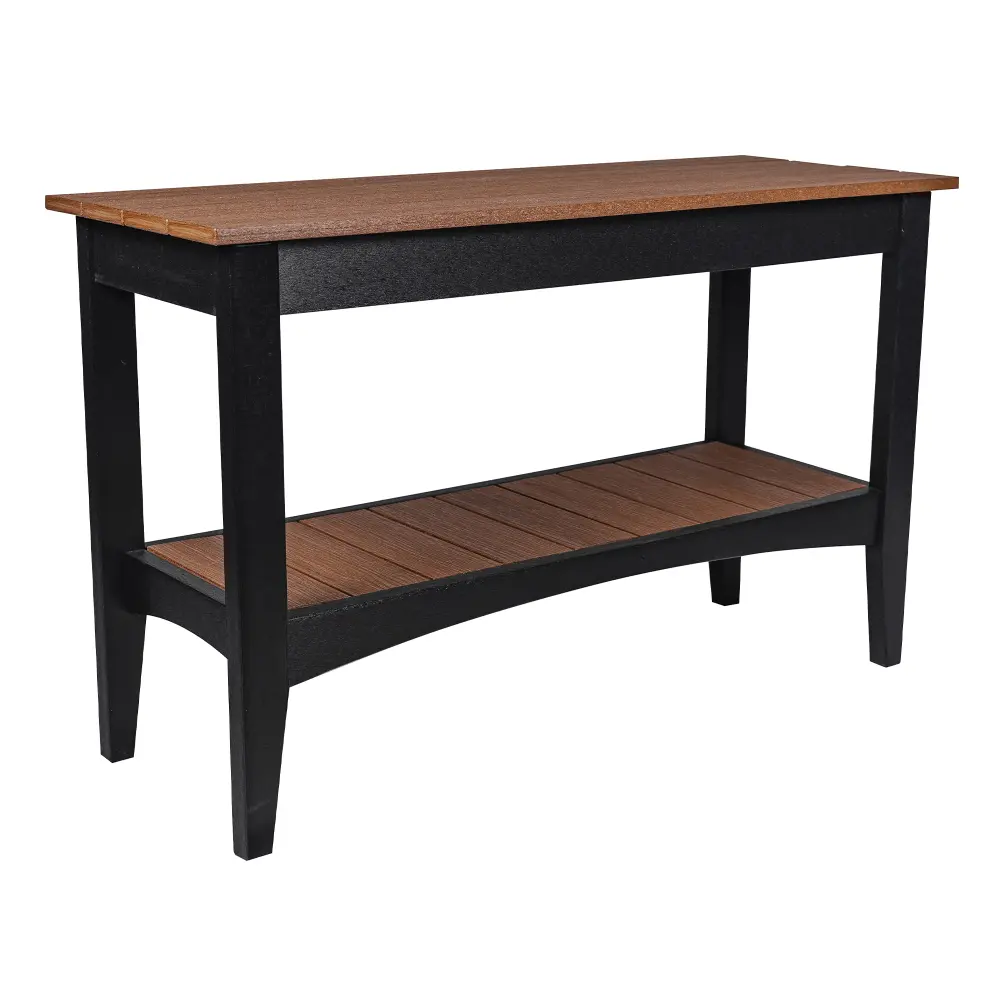
Storage is what keeps a patio feeling composed between uses. When everything has a place, the space resets easily instead of drifting into clutter.
Storage benches work well because they serve two roles at once: seating during gatherings and hidden storage for cushions when they are not in use. Outdoor cabinets and sideboards keep grilling tools, tableware, and serving pieces within reach without spreading them across the seating area.
End tables and small shelving units provide useful surfaces for lamps, plants, or everyday items that need a place to land. Covered bins are especially practical for cushions and seasonal accessories, keeping them protected when the weather changes or the patio is not in use.
Use Style to Connect the Patio With the Home
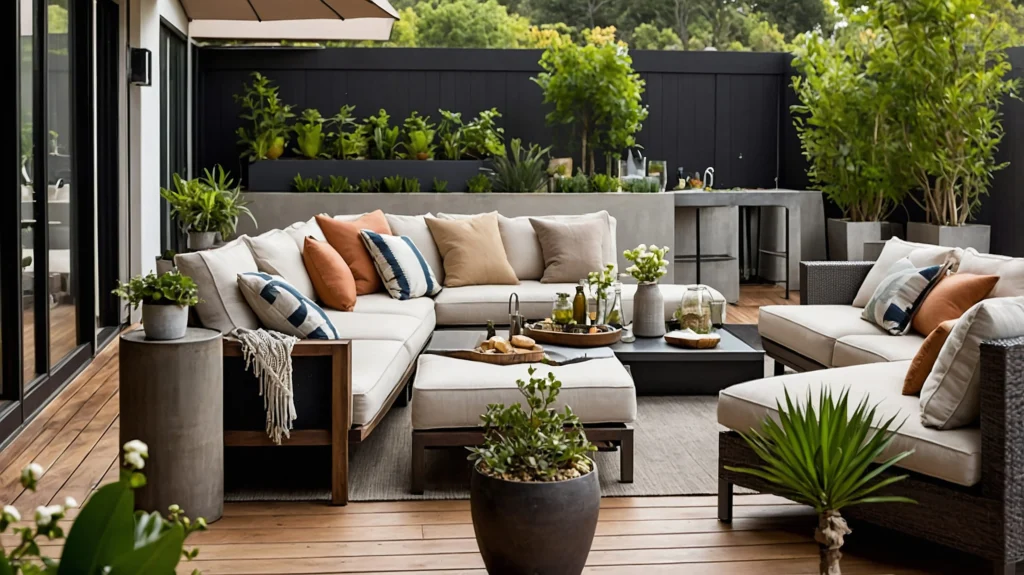
A patio should feel like it belongs to the house, following the same design language. Start with what is already there.
A farmhouse exterior pairs well with warm wood tones, relaxed shapes, and furniture that feels familiar. Modern homes suit clean metal frames, simple outlines, and neutral fabrics that keep the look calm. Traditional homes lean toward structured furniture and richer finishes that feel established and grounded.
Then use the soft layers to pull everything together. Rugs, cushions, and pillows bring color into the space from siding, trim, decking, or railings, so the space feels visually connected without needing perfect matches. When it comes together, the patio does not feel separate. It feels like another well-considered room in the same home.
Best Furniture Pieces for a Patio
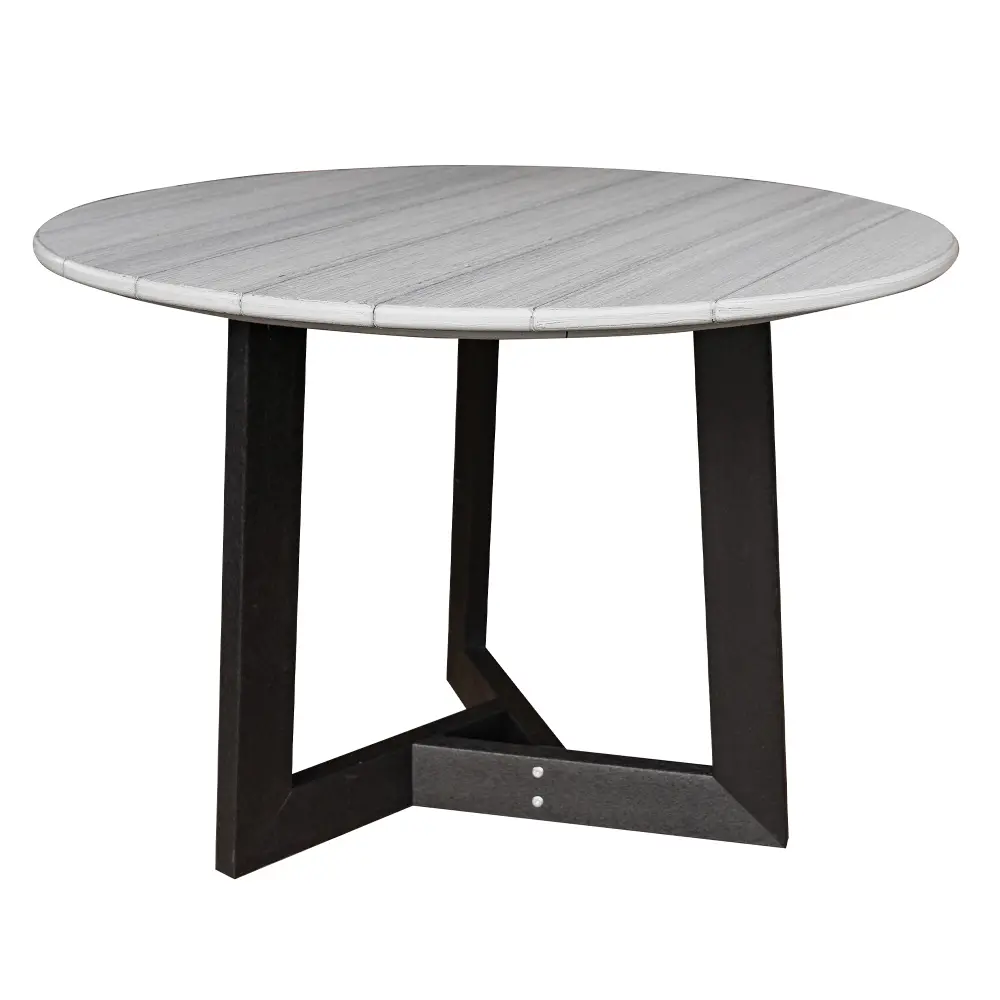
A patio comes together through a mix of seating, surface, and storage pieces that support how the space is actually used. Each one plays a specific role depending on whether the focus is dining, relaxing, or hosting.
- Dining sets for structured outdoor meals and gatherings
- Lounge chairs for relaxed, individual seating
- Sofas and loveseats for conversation-focused layouts
- Rocking chairs for a slower, more traditional feel
- Gliders for smooth, comfortable movement in seating
- Coffee tables for central placement in seating areas
- End tables for drinks, books, and everyday use items
- Benches for flexible, space-saving seating
- Outdoor storage pieces for cushions, accessories, and extras
The best setups usually come from combining pieces based on how the space will be used rather than treating each item in isolation. For example, a dining set paired with lounge chairs works well for mixed-use patios, while a sofa, coffee table, and end tables create a simple, relaxed seating zone.
Final Tips for Choosing Patio Furniture
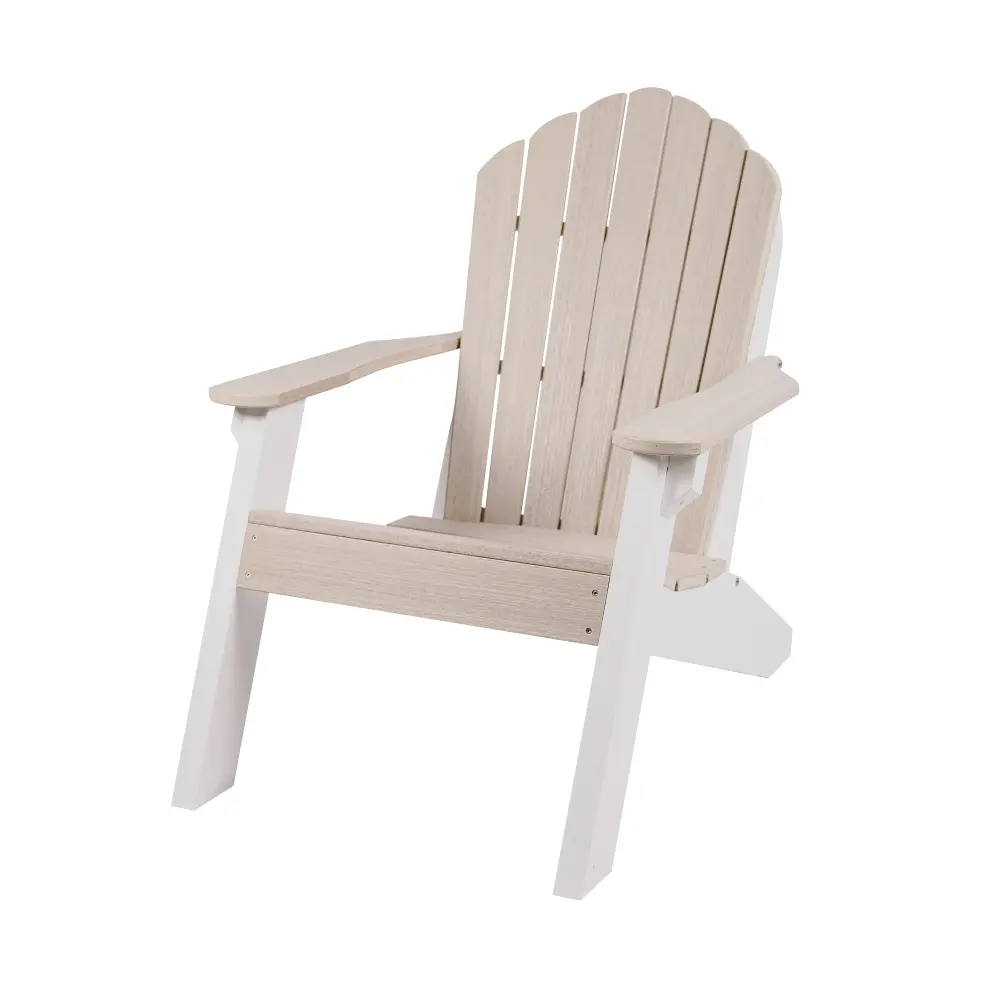
A patio works best when decisions are guided by everyday use instead of by appearance alone. When the layout supports how people actually sit and gather, the space naturally feels more inviting. Here are a few tips when buying patio furniture.
- Choose furniture based on how you live, not only how the patio looks
- Prioritize durable materials that can handle seasonal change and regular use
- Keep walking paths and movement areas open
- Balance comfort with low-maintenance choices that are simple to care for
- Invest in pieces designed to last through years of outdoor living
Final Thoughts: A Patio That Works for the Way You Live
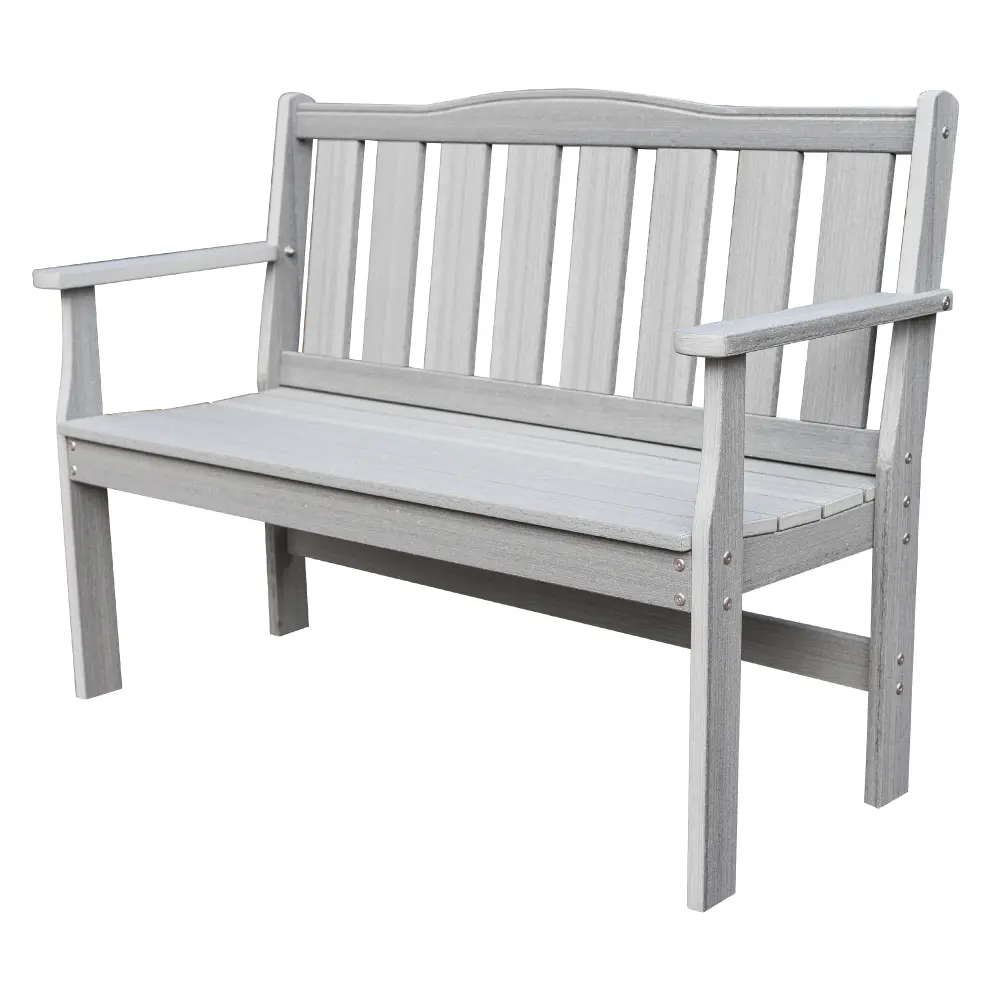
The best patio furniture is not just about filling a space; it is about making it easier to use every day. It should make the space more comfortable, durable, and useful, while still reflecting the homeowner’s style and how the space is used day to day.
That balance is exactly what we here at Dovetails focus on. Explore our outdoor furniture collection to find pieces designed to last, feel comfortable, and fit the way you actually use your home.