
As lovers of American hardwood furniture, we always talk about how long these pieces last. While the material and building techniques are the primary factors in achieving a long lifespan, these pieces are only guaranteed to survive a lifetime if they are properly cared for and cherished. Wood conservators, manufacturers, and homeowners have collaborated over the years to develop the most effective methods for caring for finished wood furniture. Luckily, they discovered that keeping your wood furniture in good condition is easy, and we’ll make sure you know the ins and outs.
Proper Methods for Cleaning
Keeping your furniture regularly dusted is a healthy habit for both you and your home. Use a soft cotton duster one to two times a week for consistent results. Depending on your location, you might desire to do this more often to keep up with the dust that comes in through open windows.
What to do when moisture or debris comes in contact with the furniture

When it comes to tackling stains or fresh spills, there are numerous cleaning solutions on the market that companies claim are the best option for cleaning finished wood. The truth is, a gentle soap and two soft cloths are all you need.
Just dilute your soap in a bucket of lukewarm or cool water. Lightly dampen one of your cloths and wipe in the direction of the wood grain. After you’ve removed the mess, take your second cloth and immediately dry off your furniture.
To Polish or Not to Polish
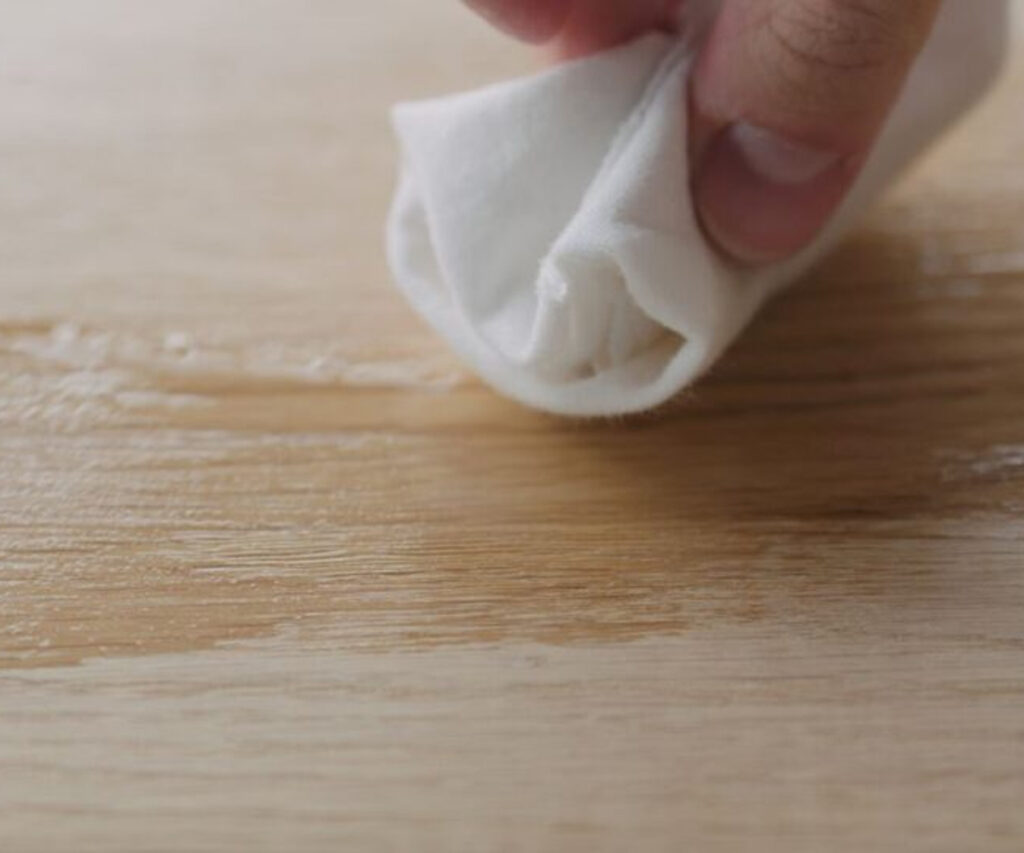
Over time, the finish on your hardwood furniture dulls. To maintain the lovely sheen, many will suggest you polish twice a year, after a thorough dusting and cleaning. However, it is important to do thorough research before purchasing any brand. According to Senior Furniture Conservator, Donald C. Williams here’s why:
Be wary of these products
- According to Williams, you should not purchase aerosol cans. While they are easy to apply, most spray polishes contain silicone, which can damage the finish over time with repeated use.
- Other liquid polishes offer a lovely shine, but it’s often ruined as it dries. This can be from the water base and other harmful contaminants.
- Williams does not suggest using oils. However, if you’d like to try them, here are some key points to consider when using drying oils or non-drying oils.
- If you choose a drying oil (such as linseed, tung, or walnut oil), it is likely to become yellow or brown goo due to the way it dries when exposed to oxygen.
- Non-drying oils (paraffin, mineral, lemon oil) are less damaging over time, but often remain liquid on (or in) the surface. This means dust and other airborne contaminants have the chance to stick to your furniture.
Semi-solid polishes are recommended, with caution
- Semi-solid polishes, also known as “paste waxes,” do not contain silicone or other harsh contaminants.
- Notable brands include Butcher’s, Behlen Blue Diamond, Renaissance, Johnson’s, and so on.
- A good wax requires a lot of buffing, but only needs to be applied one to two times a year. Keep the physical labor in mind.
- If wax is applied too frequently or incorrectly, it will cause a buildup.
Other Things to Avoid
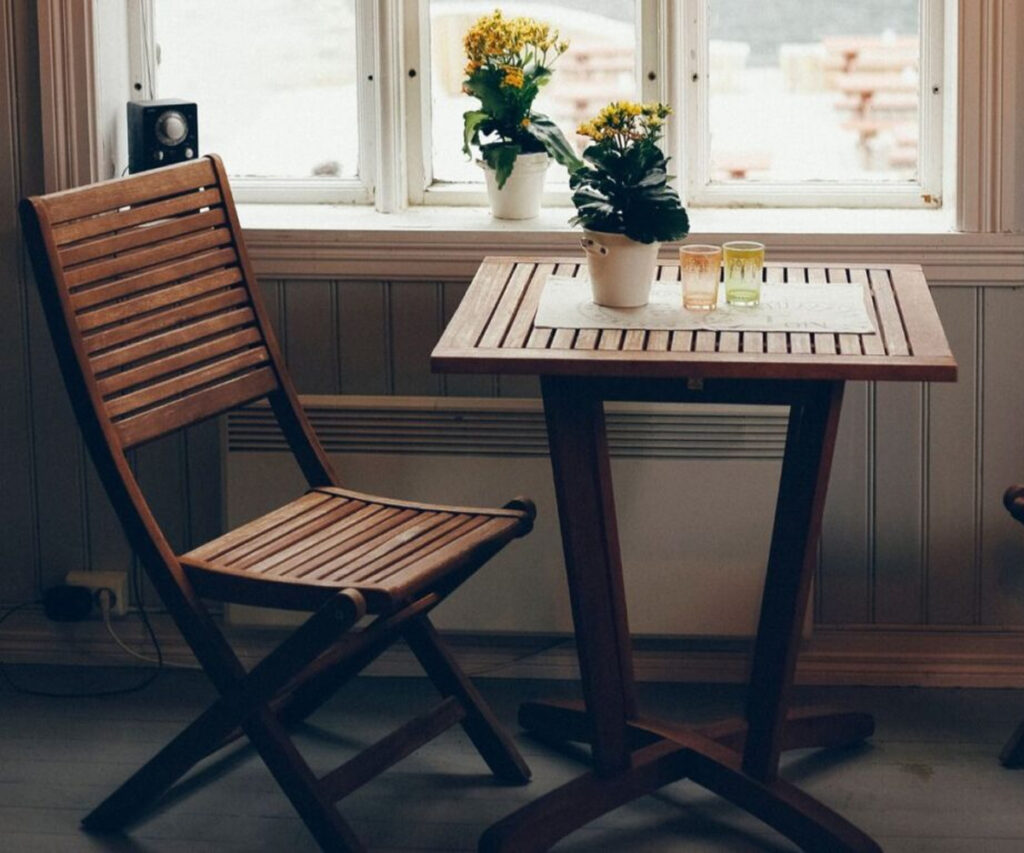
Wood is always susceptible to warping or damage when it comes into contact with excessive heat or moisture. It’s always best to keep your furniture a good distance away from humidifiers, radiators, fireplaces, and heaters. To avoid heat and moisture that comes from tableware and cookware, use coasters and trivets.
What many people don’t realize is that the texture or placement of an object can alter the appearance of wood furniture. The best preventative measure is to avoid placing rubber, plastic, and metal onto the wood without a felt pad underneath.
Liven Up Your Home with Long-Lasting Wood Furniture
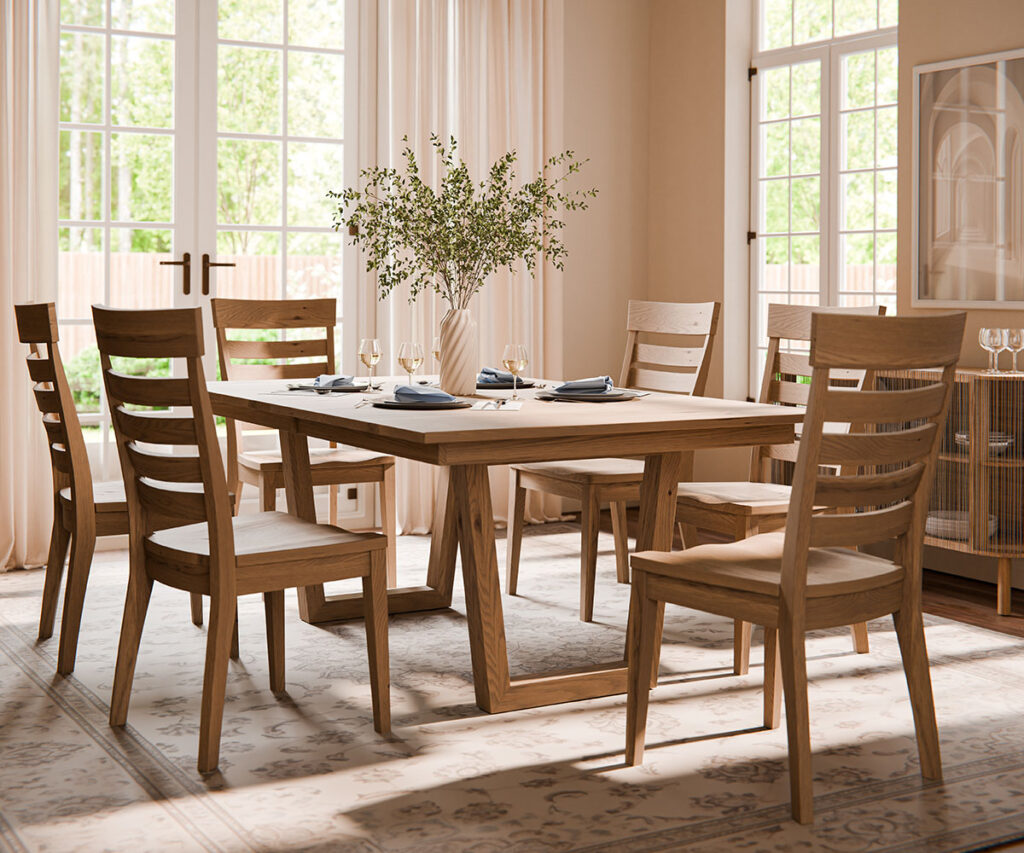
Whether you’re looking to preserve your existing wood furniture or have a desire to purchase something new, now you’ve got a better understanding of how to take care of it. Nothing breathes life into a home like an American hardwood table. So, breathe some life back into it by keeping it well-maintained with gentle soaps, weekly dusting, and paste wax on occasion.